
Why Liver Health Matters: Understanding and Managing Non-Alcoholic Fatty Liver Disease (NAFLD)
What Is NAFLD?
Non-Alcoholic Fatty Liver Disease (NAFLD) happens when more than 5% of liver cells accumulate fat, even in people who do not drink alcohol. This often results from poor diet, lack of physical activity, or underlying metabolic issuessuch as obesity, insulin resistance, or diabetes.
A healthy liver should contain minimal fat, but when this balance is disrupted, the liver starts storing extra fat. Over time, this can cause inflammation, fibrosis (scarring), cirrhosis, or even liver failure. Many people don’t notice symptoms in the early stages, which makes awareness and early lifestyle intervention even more important.
The good news is that NAFLD can be reversed with the right nutrition, exercise, and self-care habits.
What Causes Fatty Liver in Non-Drinkers?
While most people associate liver problems with alcohol, NAFLD affects non-drinkers too. The main causes include:
- Lifestyle factors – being overweight, eating too many refined foods, and not moving enough.
- Medical conditions – type 2 diabetes, prediabetes, and PCOS are closely linked with fatty liver.
- Cardiovascular risks – high blood pressure, high cholesterol, and metabolic syndrome can contribute.
These factors increase insulin resistance, making the liver store more fat instead of processing it efficiently.
How Is NAFLD Diagnosed?
If you have been told you have elevated liver enzymes or fatty changes in your liver, your doctor might recommend tests such as:
- Liver function blood tests (ALT, AST)
- Ultrasound or FibroScan to check fat and stiffness
- Liver biopsy, if needed, to confirm inflammation or scarring
These tests help understand how advanced the condition is and guide the treatment plan. More information is available in the AASLD practice guidelines on NAFLD.
Nutrition Tips to Improve Fatty Liver
Your diet is one of the most powerful tools to reverse fatty liver. Focus on whole, minimally processed foods that support your liver and reduce inflammation.
Foods to Include
- A wide variety of colourful vegetables and fruits (antioxidant-rich and liver-protective).
- Whole grains such as oats, quinoa, and brown rice.
- Lean proteins – fish, tofu, legumes, eggs, or skinless chicken.
- Healthy fats – olive oil, nuts, seeds, and avocado.
- Plenty of water throughout the day to stay hydrated.
Try to eat regular meals and avoid skipping meals or eating too late at night. Your liver performs best with steady energy throughout the day.
Foods to Cut Back or Avoid
- Sugary drinks, including energy drinks and fruit juices.
- Refined carbs like white bread, white rice, and packaged snacks.
- Fried or fast foods, takeaway meals, and processed meats.
- Excessive alcohol or overeating—even of healthy food.
As the New Zealand Ministry of Health guidelines suggest, choosing real, whole foods over ultra-processed options makes a huge difference in long-term liver and metabolic health.
Physical Activity and Liver Recovery
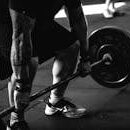
Exercise is one of the most effective ways to reduce liver fat.
Aim for at least 150 minutes of moderate activity per week, such as brisk walking, cycling, swimming, or dancing. Add strength training twice a week to improve muscle mass and metabolism.
Even small actions count—take the stairs, walk after meals, or do short stretching breaks during work.
Studies show that losing just 5–10% of body weight can significantly reduce liver fat and inflammation (Younossi et al., 2023).
Sleep, Stress, and Liver Health
Our liver also responds to sleeping patterns and stress levels.
Poor sleep and chronic stress raise cortisol levels, which can worsen fat accumulation in the liver.
Try to:
- Get 7–9 hours of quality sleep each night.
- Practice mindfulness or deep breathing to manage stress.
- Include calming activities like yoga or nature walks in your week.
This not only benefits your liver but also improves your energy, focus, and emotional wellbeing.
Be Realistic and Kind to Yourself
Improving liver health isn’t about perfection—it’s about progress and consistency.
Start small:
- Swap one sugary drink for water each day.
- Add a short walk after dinner.
- Cook one extra home meal each week.
Every small change supports your liver and moves you closer to healing. With patience and steady habits, recovery is absolutely achievable.
Why Liver Health Matters
Your liver is your body’s natural detox system. It filters toxins, regulates hormones, stores nutrients, and supports digestion.
When it’s overworked due to excess fat, it struggles to do its job efficiently. By taking care of your liver through balanced nutrition, regular movement, and mindful living, you’re not only protecting one organ—you’re supporting your entire body’s wellbeing.
For more on the role of caffeine and liver protection, read the recent research from Han et al., 2025, which shows that moderate coffee intake may help reduce liver fibrosis risk.
References
- Chalasani, N. et al. (2018). The diagnosis and management of nonalcoholic fatty liver disease. AASLD Practice Guidance.
- Younossi, Z. M. et al. (2023). Global epidemiology of NAFLD. Nature Reviews Gastroenterology & Hepatology.
- Han, J. et al. (2025). Caffeine intake associated with a lower risk of liver fibrosis. Journal of Advanced Research.
- Ministry of Health New Zealand (2024). Healthy Eating Guidelines for Adults.
Keywords
NAFLD, fatty liver, non-alcoholic fatty liver, liver health, liver diet, New Zealand nutrition, liver-friendly foods, metabolic health, insulin resistance, lifestyle changes, holistic wellbeing, fatty liver recovery.
Hashtags
#LiverHealth #NAFLD #FattyLiverAwareness #NMNutrition #ChristchurchNutritionist #HealthyEatingNZ #WholeFoods #NutritionTips #MetabolicHealth #WellnessJourney #LiverCare
